Works in Progress Series: Infrastructural Aporia 2026
March 23, 2026
University of Southern California
Marcos Lopes Campos (Brazilian Center for Analysis and Planning/CEBRAP) and Joanne Nucho (USC)
On March 23rd, the Ethnography Studio and the Department of Anthropology welcomed Dr. Marcos Lopes Campos, Postdoctoral Fellow at the Brazilian Center for Analysis and Planning (CEBRAP), for our inaugural “Work in Progress” event. The focus of this first session was Dr. Lopes Campos’ paper “Infrastructural Aporia: data politics and temporal governance in the metropolitan train system in Rio de Janeiro.” This work examines the relations between urban infrastructure, violence, and accumulation by paying attention to the discursive and material management of accidents and extreme events on Rio de Janeiro’s metropolitan railway system.
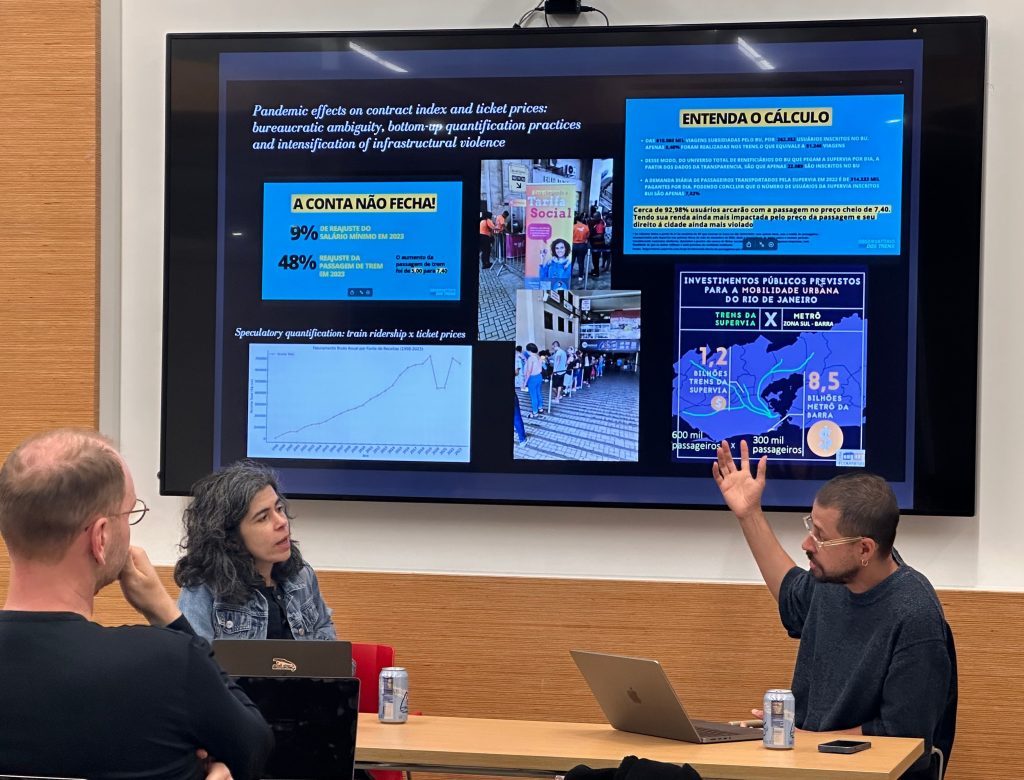
Participants read Dr. Lopes Campos’ paper in preparation for the discussion which began with comments by Prof. Joanne Nucho (Anthropology, USC). The conversation explored how activists, former railroad workers, and concessionaires imagine train transit. These actors negotiated possible futures by circulating transportation data on flyers and carefully selecting which data to highlight or juxtapose to show the extent to which people depend on transportation systems. The paper highlighted the inequalities stemming from how rail companies invest in certain parts of the city even though they have fewer passengers. The discussion also touched on representations of transportation demand during the pandemic, as well as during other historical time periods of liberalization and privatization. Dr. Campos showed how data representations are mobilized to justify increasing or decreasing investments.
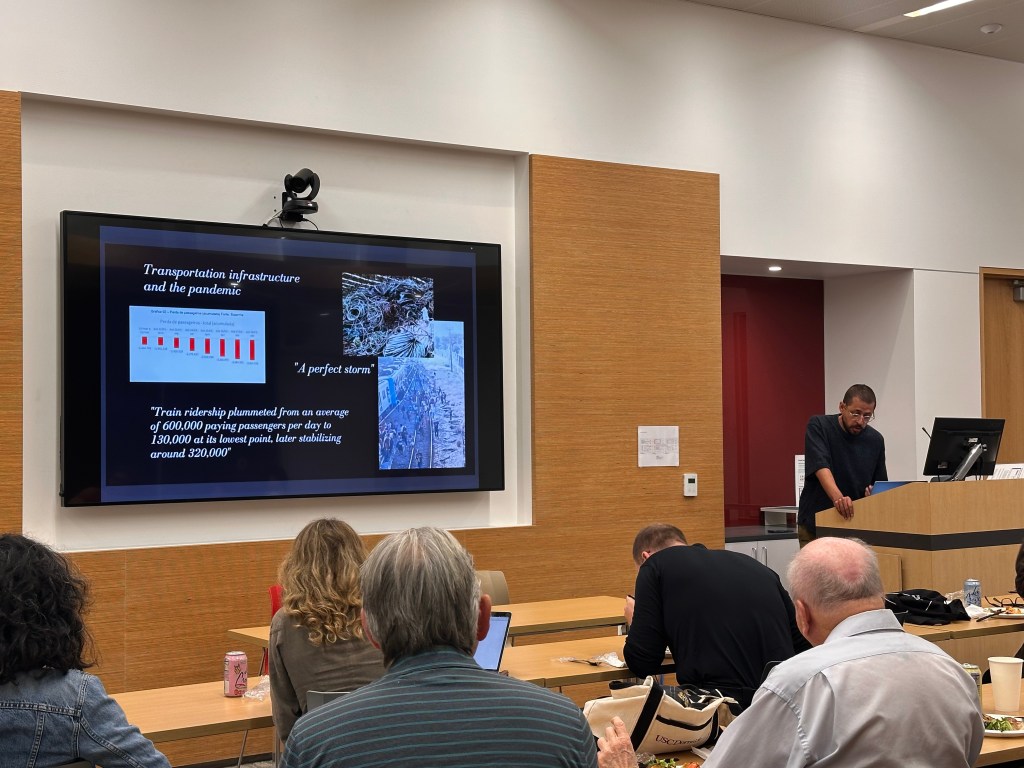
At a conceptual level we discussed how aporia differs from other analytics like suspension in that it doesn’t assume the possibility of a return to normal conditions. Discussion inquired how morality and nostalgia shape perceptions of train transportation by riders and politicians in Rio. PhD students and Postdocs along with faculty and community members joined the conversation and lunch.
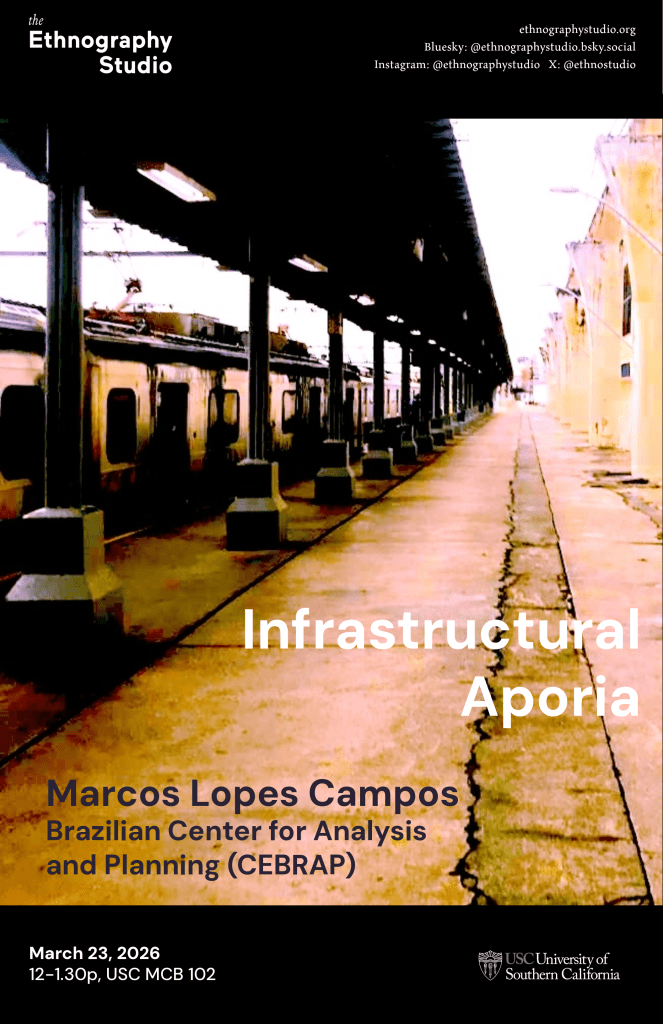
Infrastructural aporia: data politics and temporal governance in the metropolitan train system in Rio de Janeiro
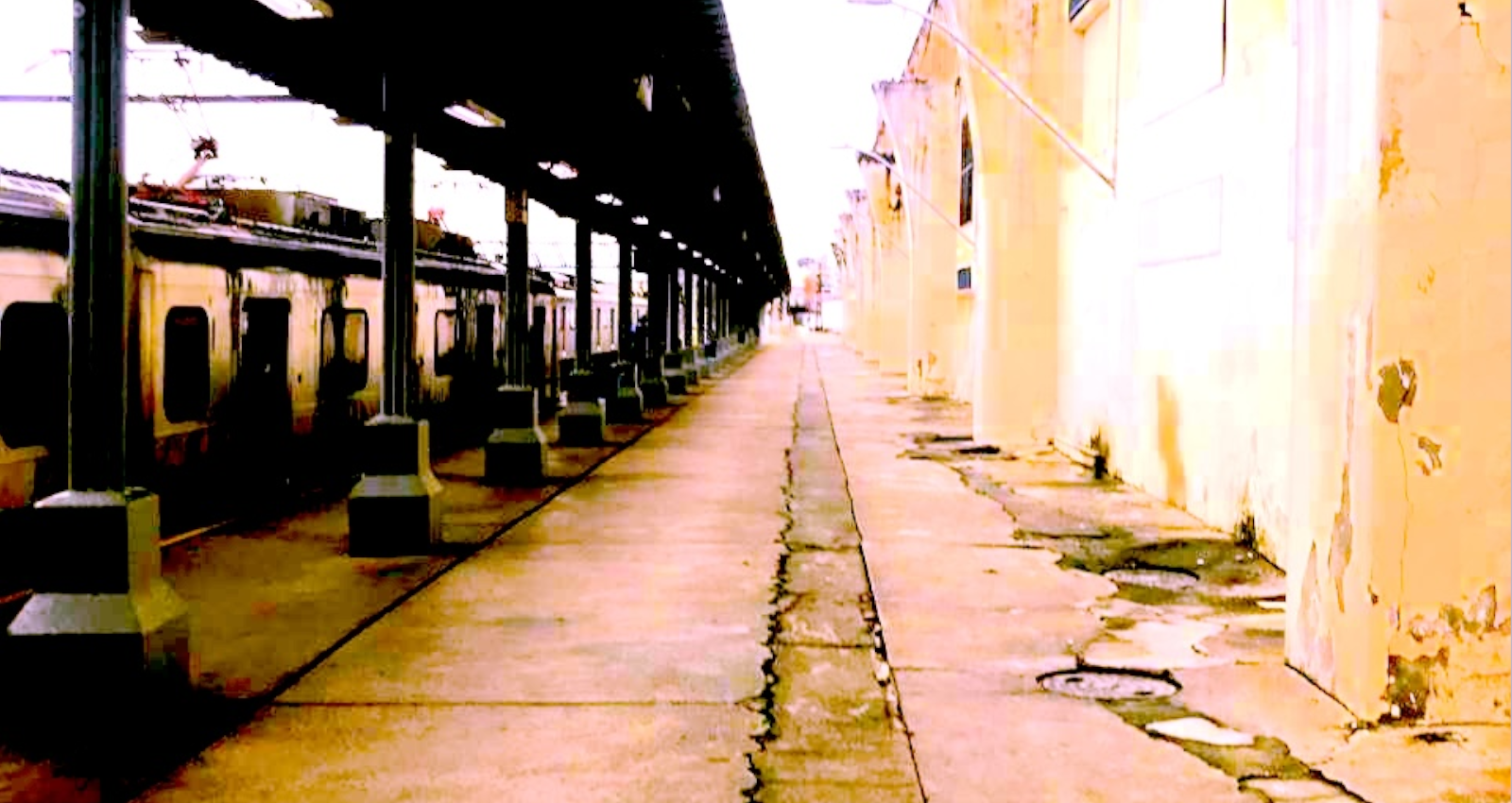
In March 2020, Rio de Janeiro’s train ridership collapsed from 600,000 to 130,000 daily passengers as the COVID-19 pandemic hit, triggering a financial crisis and persistent indeterminacy over how to restore stable operations. This collapse intensified long cycles of deterioration rooted in decades of unfulfilled promises. Once central to projects of national integration and modernization in the nineteenth century, Rio’s trains were progressively marginalized throughout the twentieth century in favour of roads, metro systems, and later Olympic mega-projects, even as they remained indispensable to the city’s racialized peripheries. This article traces how decay is governed as an ongoing, unresolved condition through what I call infrastructural aporia: a temporal trap where renovation becomes unattainable yet dismantlement remains unthinkable, leaving the system saturated with accumulated promises and deferred futures. Drawing on ethnographic research (2022-2024), the article demonstrates how the train decay operated as a “long fact” – an entity inseparable from its consequences and temporal framings – rendered legible and operationalizable through ridership data. Rather than disputing the interpretation of agreed-upon figures, bureaucrats, activists, executives, and retired workers contested which temporal cut of ridership data should define what the crisis was. The article shows how data did not merely reflect decline but actively configured the diverging temporalities through which the crisis was defined, responsibility allocated, and possible futures imagined or foreclosed.
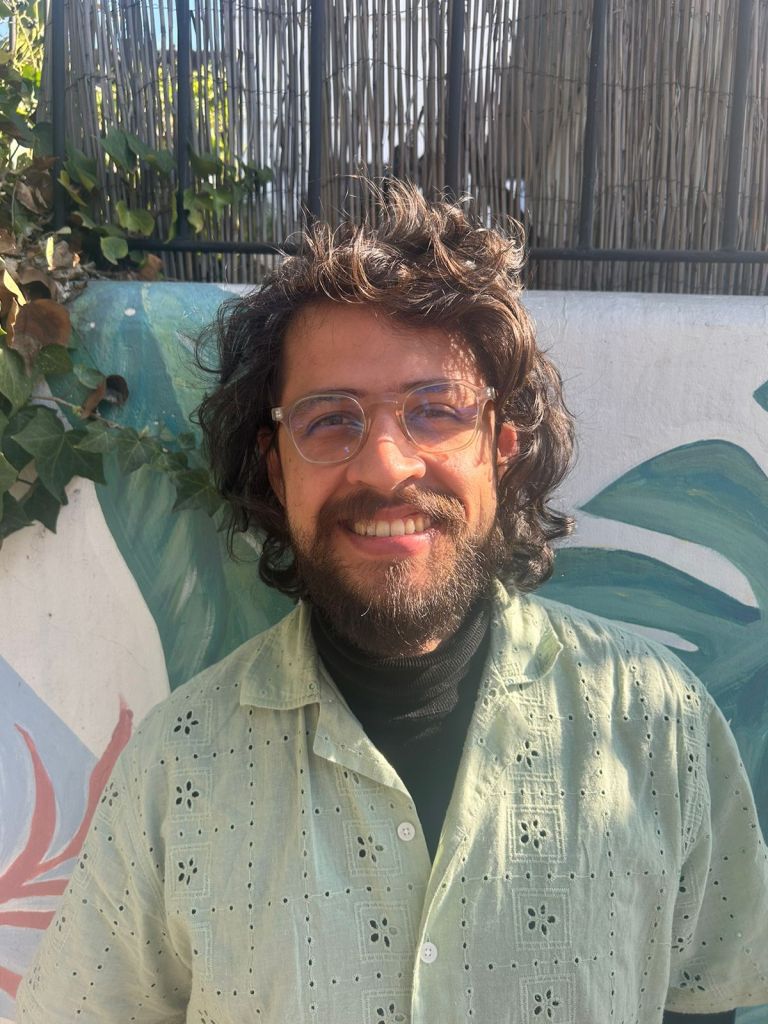
Marcos Lopes Campos is an anthropologist and a Postdoctoral Researcher in the International Postdoctoral Program at the Brazilian Center for Analysis and Planning (CEBRAP), funded by a FAPESP Postdoctoral Fellowship. He holds a PhD in Sociology from the Rio de Janeiro State University (UERJ), Brazil, and was a Postdoctoral Researcher in Germany, where he was affiliated with the Georg Simmel Center for Urban Studies at Humboldt University, Berlin. His current research examines the relations between urban infrastructure, violence, and accumulation through an ethnographic study of the discursive and material management of accidents and extreme events on Rio de Janeiro’s metropolitan railway system. His doctoral dissertation, funded by the International Journal of Urban and Regional Research Foundation (IJURR) PhD Studentship (2018) and other grants, focused on livelihoods and future-making among black and poor poets from the peripheries and favelas of Rio de Janeiro. This work earned the 2022 Honorable Mention in the Maurício de Almeida Abreu Best PhD Dissertations Competition, awarded by the Municipal Institute of Urbanism Pereira Passos (IPP) of the City Hall of Rio de Janeiro. Marcos’ research spans a wide range of topics within Urban Studies, including public policy, urban political economy, infrastructures, futures, livelihoods, governance, illegal markets, and violence. He has published in leading journals, including International Journal of Urban and Regional Research (IJURR), Current Anthropology, DADOS, and Novos Estudos–CEBRAP, and has contributed to edited volumes by Wiley, EDUERJ, and EDUNESP. He is currently an associate researcher of the following groups: Grupo Casa (IESP-UERJ) and the Mobilities: Theories, Topics, and Methods group (MTTM, USP)
