Conversions 2017

October 5, 2017
Rice University
Readings by Gaston Gordillo and Tim Ingold
In the wake of Hurricane Harvey, the Ethnography Studio gathered to discuss Harvey’s aftermath with the workshop “Conversions”—an ethnographic exercise in thinking through an analytic of transferal and transformation of materials. We asked, how are materials converted into other things, and at what kinds of thresholds do such conversions take place? When does water become a flood? When do furniture and personal items become debris? When do donations become clutter?
On October 5, 2017 participants first gathered to discuss how the analytic “conversion” helped describe changes, displacements, and new presences of materials in the area due to Hurricane Harvey. Following, participants discussed moments of conversions they had witnessed or felt in the following weeks of the Hurricane. Students then chose sites within Houston or Galveston and set out to conduct mini ethnographic projects of their respected sites. In order to guide those explorations students read two texts. The first was the introduction to the book Rubble: The Afterlife of Destruction by Gaston GoRdillo where the author takes us through a journey of re-cognition by changing the constellation of materials and histories that are entailed by processes of ruination. The second was Tim Ingold’s article “Materials Against Materiality,” where he makes a complementary argument that emphasizes how the very intimate materiality of objects, and not only the form by which it is recognizable, need to figure prominent in anthropological accounts of the world.
Inspired by those texts and our initial conversations during the week that separated the two meetings students ventured in groups to explore different locations where the aftermath of Harvey persisted as a set of material conversions.
A group of students visited Galveston’s downtown district and discussed the presence of markers in public places that denoted how high flood waters had reached in previous storms; Harvey was only a blip in the middle of a longer timeline that remembered and forgot in particular ways.


Another group of students walked along the White Oak Bayou and collecting images of debris lying in the flooded waters, analyzed floodwaters transformation of local natures and public space. Water was at once a substance that the concrete tried to contain and a medium through which other materials moved. The boundaries between substances, mediums, and surfaces became unclear and called into question.
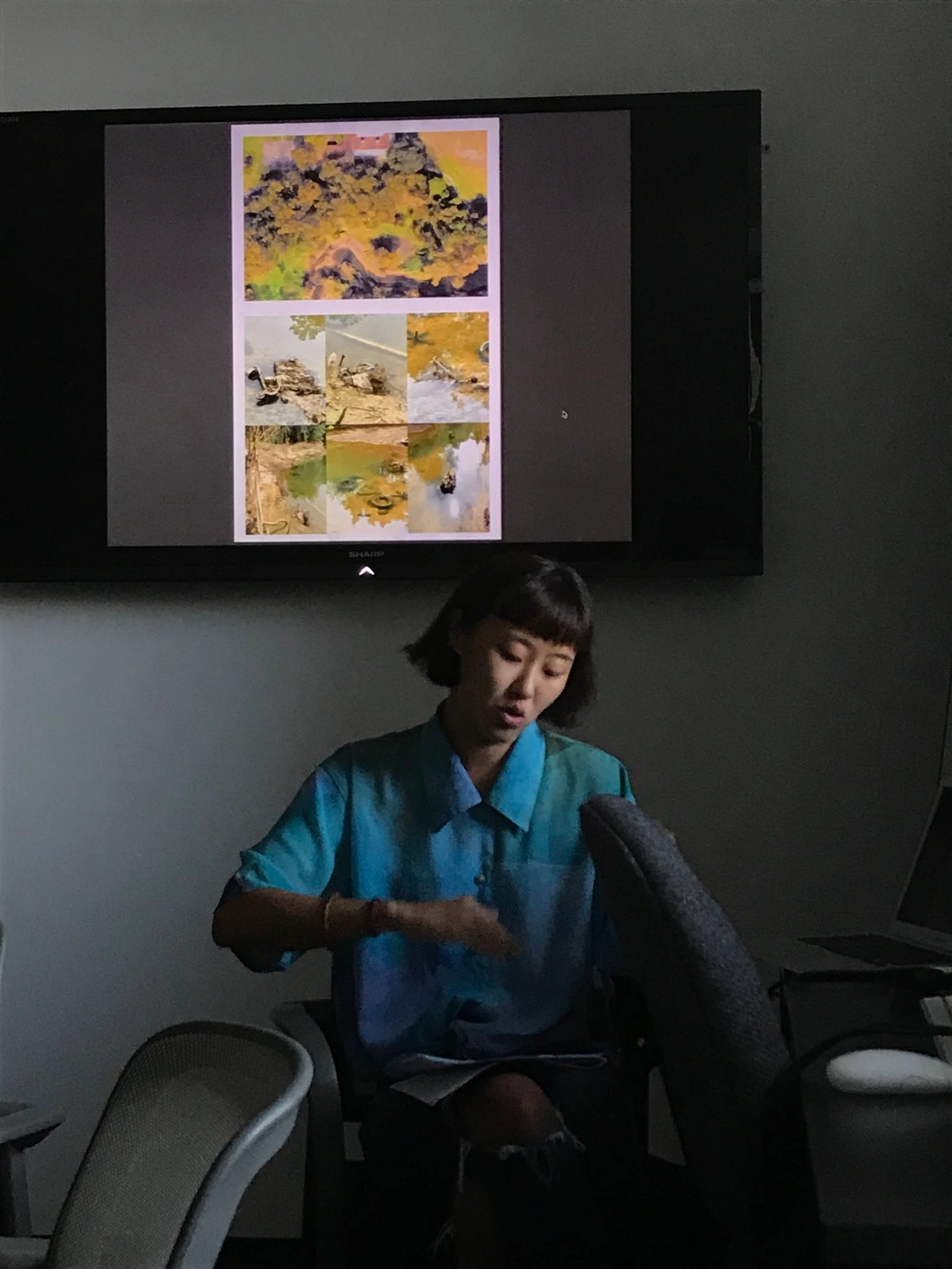
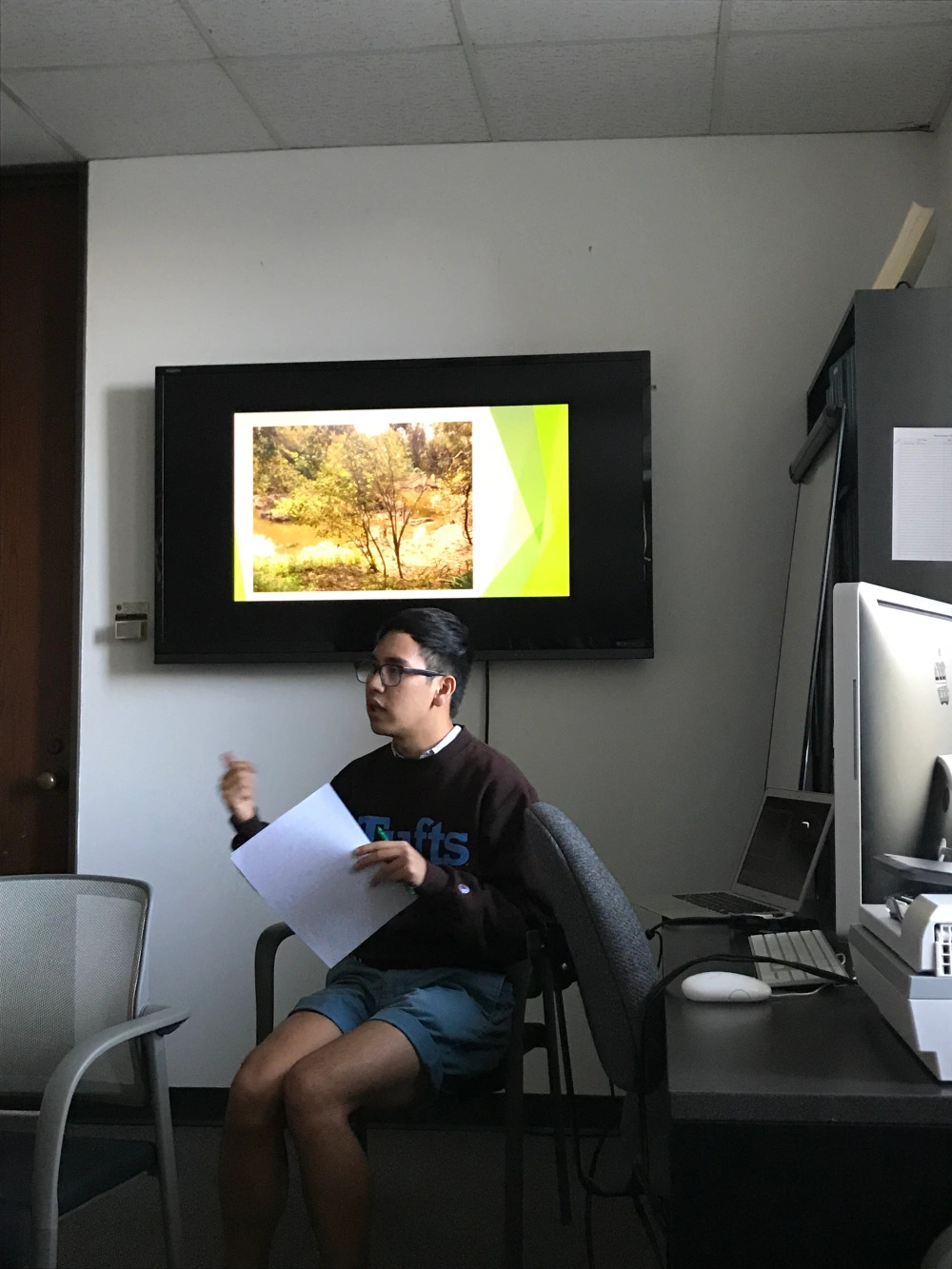
A third group of students visited a recovery shelter at the Greenspoint Mall, commenting on store-owners’ perspectives (or lack of awareness) of the shelter and the management of newly secured, patrolled space outside the mall building. Inside the shelter, a long delay of lunch hinged on the disappearance of metal serving spoons, and participants considered the materiality and meaning of these spoons that converted them into a necessary ingredient for lunch.


Finally, a group of students biked around various neighborhoods affected by flooding, and discussed the ways trash piles became contested sites between homeowners and passersby.

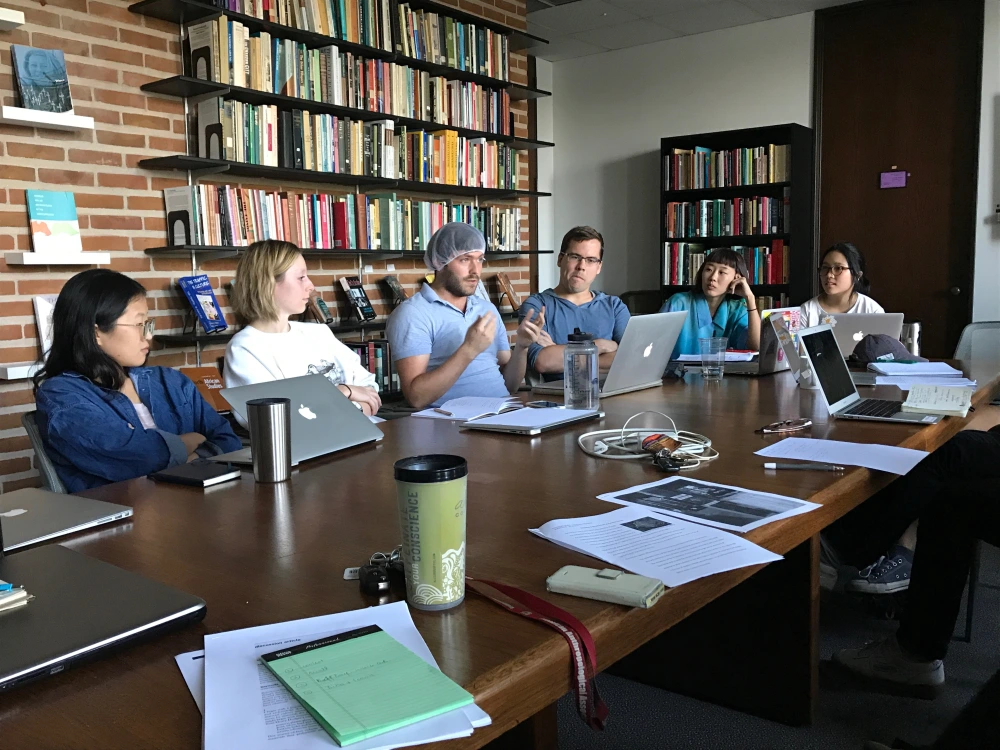
We analyzed people’s experience on October 12, 2017 when the Ethnography Studio gathered to discuss and reflect on the findings, the media used to track conversions and the ethical challenges and obligations that emerged when conducting fieldwork in the ongoing expression of a ‘disaster.’ Participants presented visual, audio, and narrative recountings of their experiences and collectively produced a record of the transformation of materials, the dislocation of objects and the erasures of history that Harvey brought to Houston.
