Retooling at the Hydro-Frontier

Retooling at the Hydro-Frontier is a NSF-funded project led by Andrea Ballestero (USC), Christy Spackman (ASU), and Katie Ulrich (Yale). It seeks to understand how devices for wastewater management and resource recovery are being retooled in the early 21st century in response to anticipated challenges at the water-food-energy nexus.
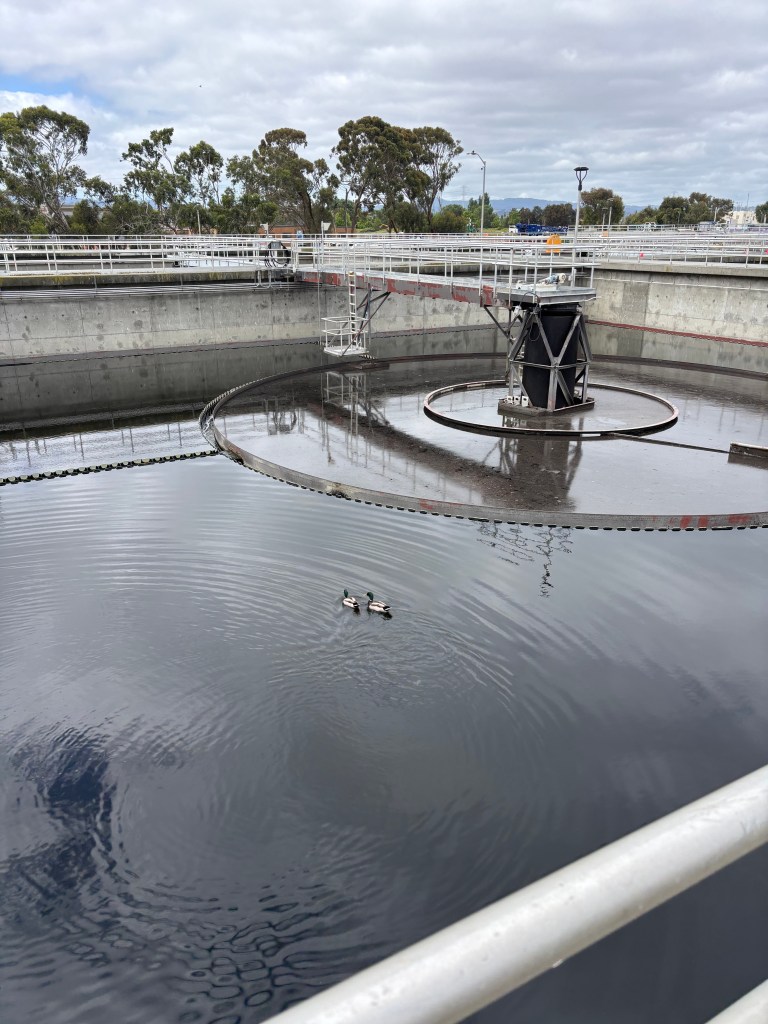
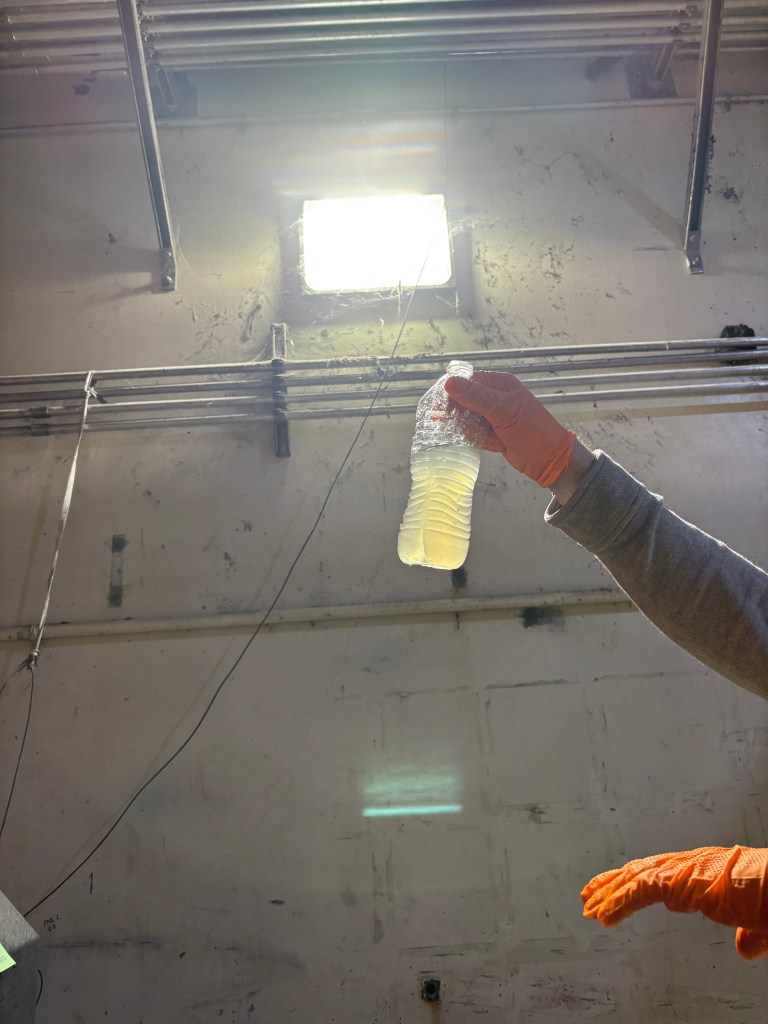
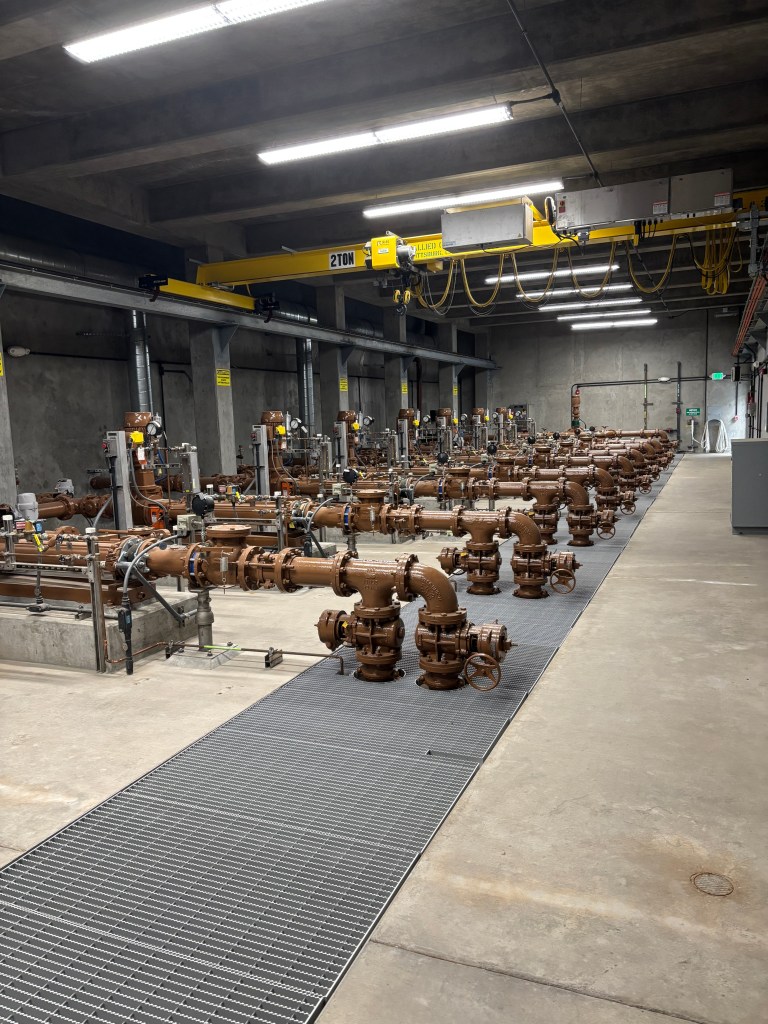
This collaborative project examines two cases (Arizona and California) where water and resource scarcity have rendered municipal and industrial wastewater an increasingly attractive substance for recovering not only water for reuse, but also other resources like fertilizers, energy, and metals. The California case study (Ballestero and Ulrich) in particular examines developments around resource recovery at municipal wastewater treatment plants, including recovery of energy, nutrients for fertilizers, and reclaimed water. The study tracks the retooling of (bio)technologies, legal regulations, and water/waste ideologies that make possible a shift at these plants from wastewater treatment (primarily nutrient and contaminant removal) to wastewater resource recovery. In juxtaposing the processes of “removal,” “reclamation,” and “recovery,” the study aims to understand the different ways the “re-” of retooling can unfold, each with their own political and social ramifications.
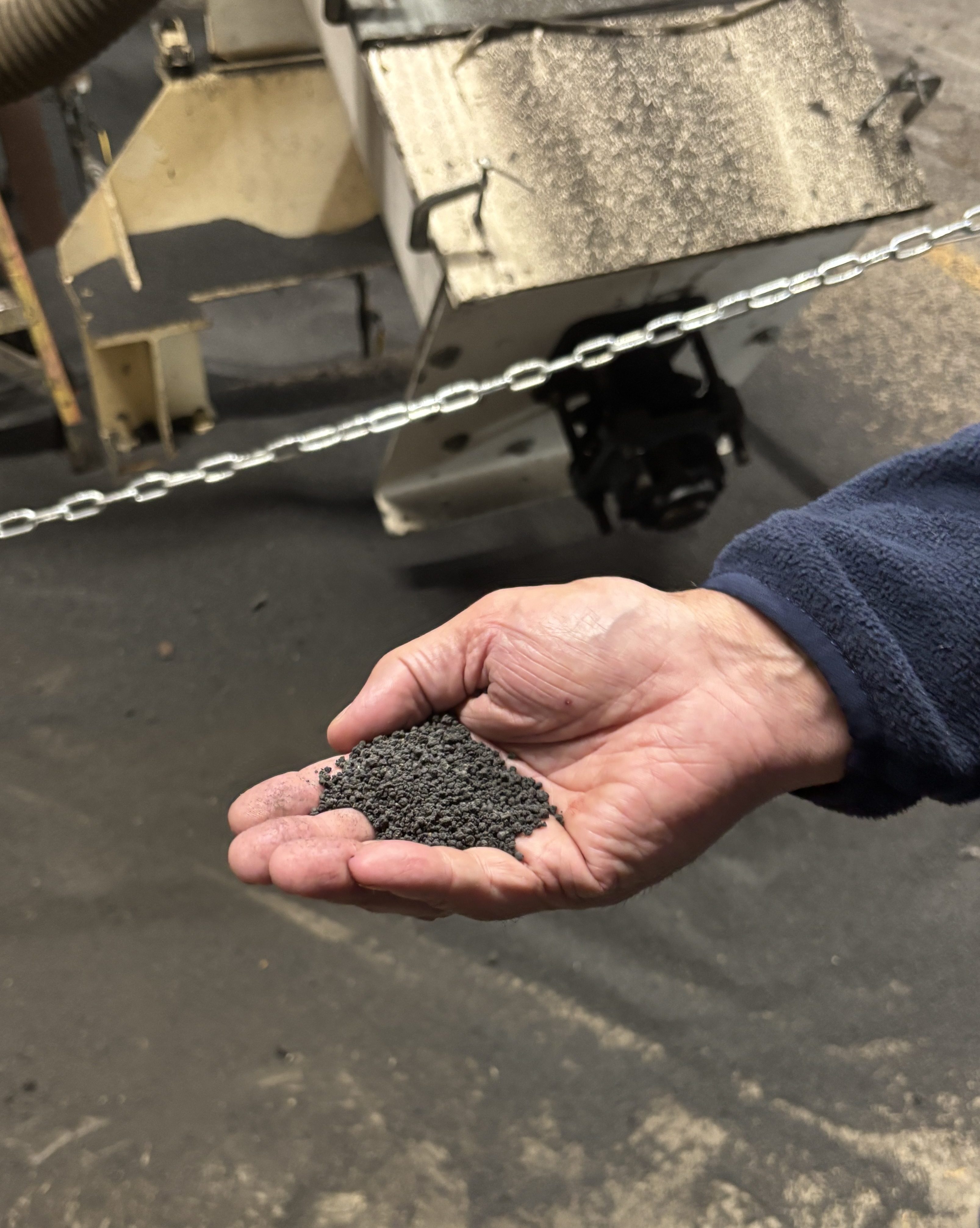
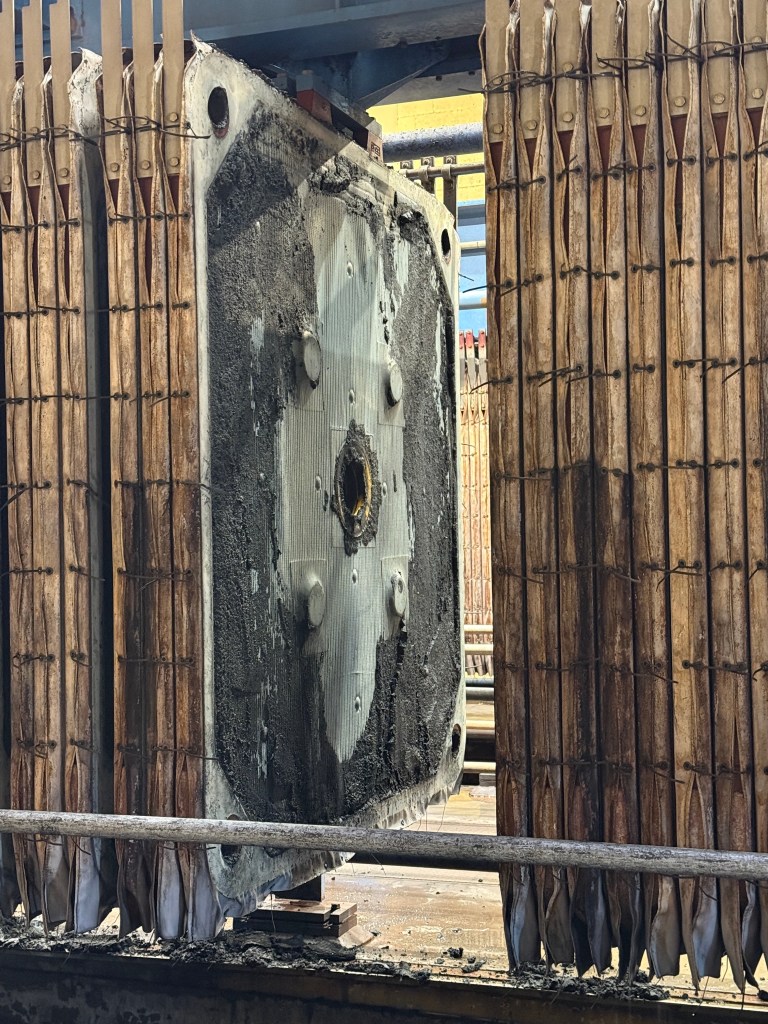
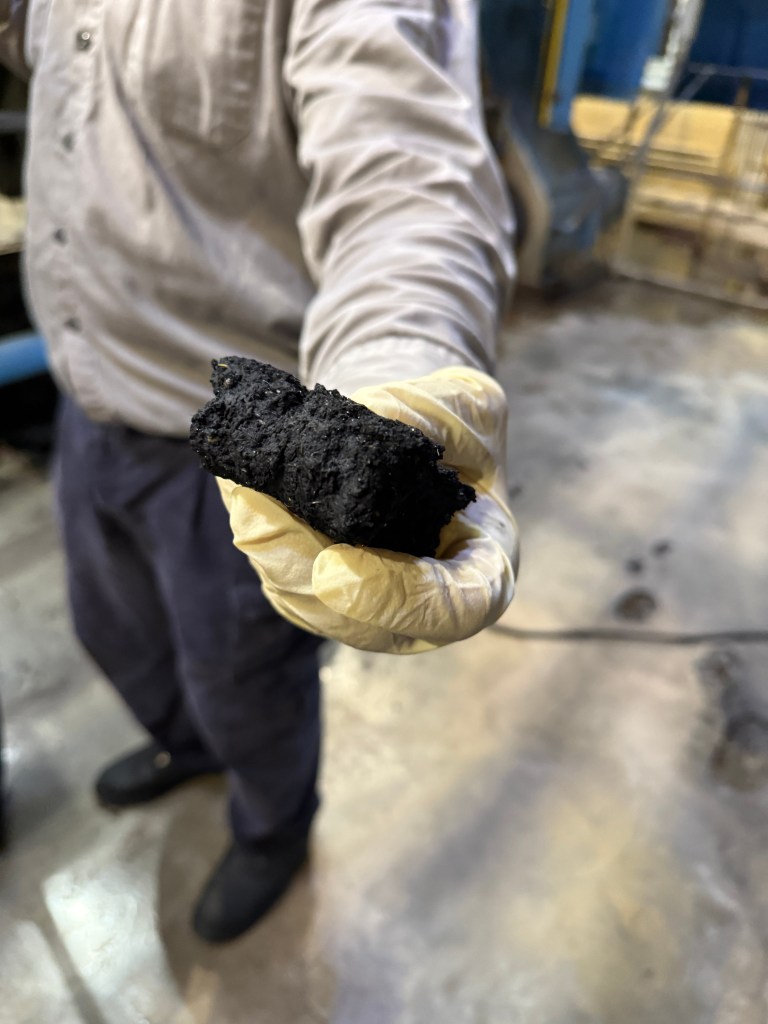
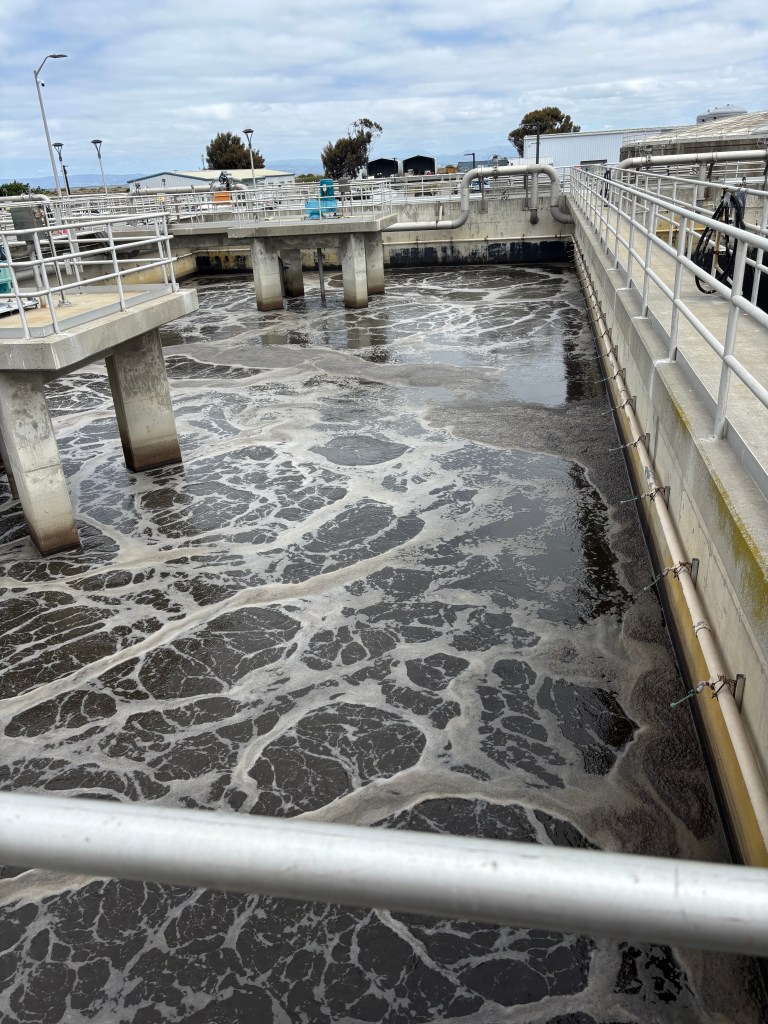
Research activities related to the California case study have so far included visits to wastewater treatment plants in Southern California, the San Francisco Bay Area, and New England; interviews with scientists, engineers, and operators; and attending industry conferences related to water treatment and biotechnology. The project has also greatly benefited from the work of USC graduate research assistants: Elana Simon, who crafted a centuries-long history of regulatory and technological developments around wastewater treatment in California and beyond; and Aline Bravo and Emma Jahoda-Brown, who carried out archival and media analyses around water scarcity, waste, and wastewater resource recovery in California in the twenty-first century.
Resource recovery efforts are “retooling” historical conceptions and technologies that previously determined where wastewater exists, what constitutes a usable form of wastewater, and how wastewater can be used. We define retooling as the process of reorienting existing technologies to new domains or problems (further elaborated in our article with Etienne Benson, titled “Retooling: A Model of Sociotechnical Change for Turbulent Times,” recently published in Engaging Science, Technology, and Society). Water is ideal for investigating retooling, specifically (a) how extraction techniques shift amid concerns about future scarcity and (b) how this recharts hydrological frontiers alongside other resource and waste frontiers.
To expand our inquiry into retooling as an analytic for understanding socio-technical change, we have convened a dozen contributors for a journal special issue spanning a wide range of topics and geographical sites. This special issue was seeded by an Open Panel at 4S 2025 Seattle titled, “Retooling: Change and Continuity in Turbulent Worlds” (presenters and talk titles below).
For 4S 2026 Toronto we are co-organizing an Open Panel titled “The Retooling Toolkit: roundtable on methods for tracking retooling.” A complement to the work of the 2025 Open Panel and special issue, this panel will gather short case studies presented in the form of protocols for tracking retooling in action. The protocol format grows out of the practice of the Ethnography Studio and previous examinations of its significance for interpretive and critical scholarship ( publications on “protocols” can be found here and here). Participants are encouraged to imagine their short-form case studies as eventually facilitating teaching and circulation to wider audiences.





Previous Retooling Events:
Open Panel at 4S 2025: “Retooling: Change and Continuity in Turbulent Worlds,” Friday September 5
1 – Retooling Technologies, 8:30 AM – 10:20 AM, Friday 9 Sept, 324 Summit (Convention Center)
Batteries, solar panels and the nonlinear temporalities of the microgrid, Joanne Randa Nucho, Associate professor, University of Southern California
It’s just a filter! Or is it? Filtration technologies and the remaking of wastewater treatment, Christy Spackman, Associate Professor, Arizona State University
A technology of filtration or purification? Understanding the popularity of reverse osmosis water purifiers in India, Gaurav Vilas Kapse, Mr., IITB Monash Research Academy Mumbai; Pankaj Sekhsaria, Indian Institute of Technology Bombay; Murali Sastry, Monash University
If it’s broken, don’t fix it – on the stewardship of dormant technologies, Sebastian Abrahamsson, Uppsala University
2 – Retooling Knowledge, 10:40 AM – 12:30 PM, Friday 9 Sept, 324 Summit (Convention Center)
Drone inside out: Iran’s reverse-engineering warfare, Soha Saghazadeh, Doctoral Candidate, Department of Film and Media Studies, University of California Santa Barbara
Glacial encounters: scientific knowledge and local practice in the Karakoram Region, Ihsan Arsalan, Rice University
The death of the father (of Australian wildfire science), Timothy D. Neale, Associate Professor of Anthropology, Deakin University
Retooling bioscience governance: “Hilirisasi” platforms as postcolonial policy, Sonja van Wichelen, Professor of Anthropology and Sociology, University of Sydney
Turning water into carbon: retooling wastewater for twenty-first century extraction, Katie Ulrich, Postdoctoral Fellow, Harvard University
3 – Retooling Extraction, 1:30 PM – 3:20 PM, Friday 9 Sept, 324 Summit (Convention Center)
Planet mold: retooling fungal biology for a warming world, Jamie Cross, Professor of Social Anthropology, University of Glasgow
Sensing air, explicating capital, Ashima Mittal, PhD Candidate, University of Chicago
The pliability of concrete: climate adaptation and the re-plumbing of California’s water infrastructure, Andrew Lakoff, Professor of Sociology, University of Southern California
Retooled excisions: scientific innovations and postcolonial socio-environmental justice, Aida Arosoaie, PhD Candidate, UW-Madison
The trust: retooling the legal geographies of science and nature in the era of … neo-fascism/populism/something else?, Andrea Ballestero, Associate Professor of Anthropology, University of Southern California
4 – Retooling Affects and More-than-human Entanglements, 3:40 PM – 5:30 PM, Friday 9 Sept, 324 Summit (Convention Center)
Mistrust as data: retooling knowledge in smart farming in Turkey, Ziya Kaya, Assistant Professor of Anthropology, The University of Texas Rio Grande Valley
Sedimentary inheritances and abstract reassurances: the work of proposed levee infrastructure in Louisiana’s northshore, Nicole C. Mabry, PhD Candidate, UC Berkeley
Opening up personhood: legal categories and sociotechnical change, Jennifer Petersen, Associate Professor, University of Southern California
Mammal infrastructures: Carabao and human entanglements in the Philippines, Alena Zhang, PhD Candidate, Cornell University
